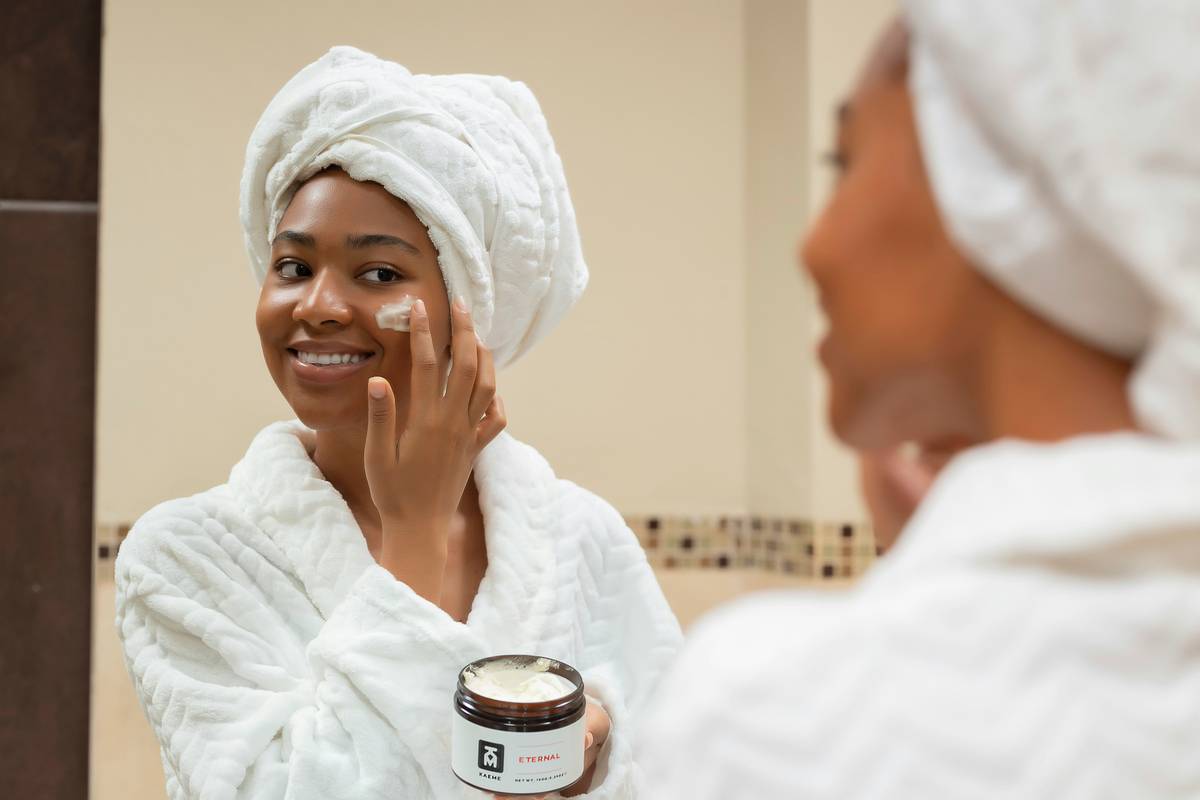
Have you ever rinsed off a “gentle” cleanser—only to stare in the mirror at tightness, flaking, and that subtle, stubborn film that won’t budge? I did. Last winter, I swapped my creamy facial wash for a trendy oil-based cleansing balm for mature skin—thinking, “More moisture, less friction, win.” Nope. I’d bought one loaded with synthetic emulsifiers and lavender oil at 3% concentration. Within 48 hours, my décolletage erupted in tiny, itchy papules. Turns out, mature skin doesn’t just need hydration—it needs *intelligent solubility*, pH alignment below 5.5, and ingredient transparency down to the ester level. That mistake cost me two weeks of patch testing—and taught me everything this guide shares.
Table of Contents
- Why Cleansing Is the Silent Crisis in Mature Skin Care
- How to Choose & Use a Cleansing Balm for Mature Skin (Step-by-Step)
- 5 Non-Negotiable Tips for Long-Term Results
- Real Results: What Happened After 6 Weeks of Consistent Use
- FAQs: Your Top Questions—Answered Honestly
Why Cleansing Is the Silent Crisis in Mature Skin Care
Most anti-aging regimens obsess over serums and retinoids—but skip over the very first step: cleansing. That’s a critical oversight. According to the American Academy of Dermatology (AAD), up to 68% of women over 50 experience impaired barrier function due to age-related ceramide depletion, thinner stratum corneum, and reduced sebum output—yet continue using foaming or alcohol-based cleansers that strip residual lipids further (American Academy of Dermatology, Cleansers Guide). The result? Accelerated transepidermal water loss (TEWL), compromised microbiome diversity, and micro-inflammation that dulls tone and softens collagen support.
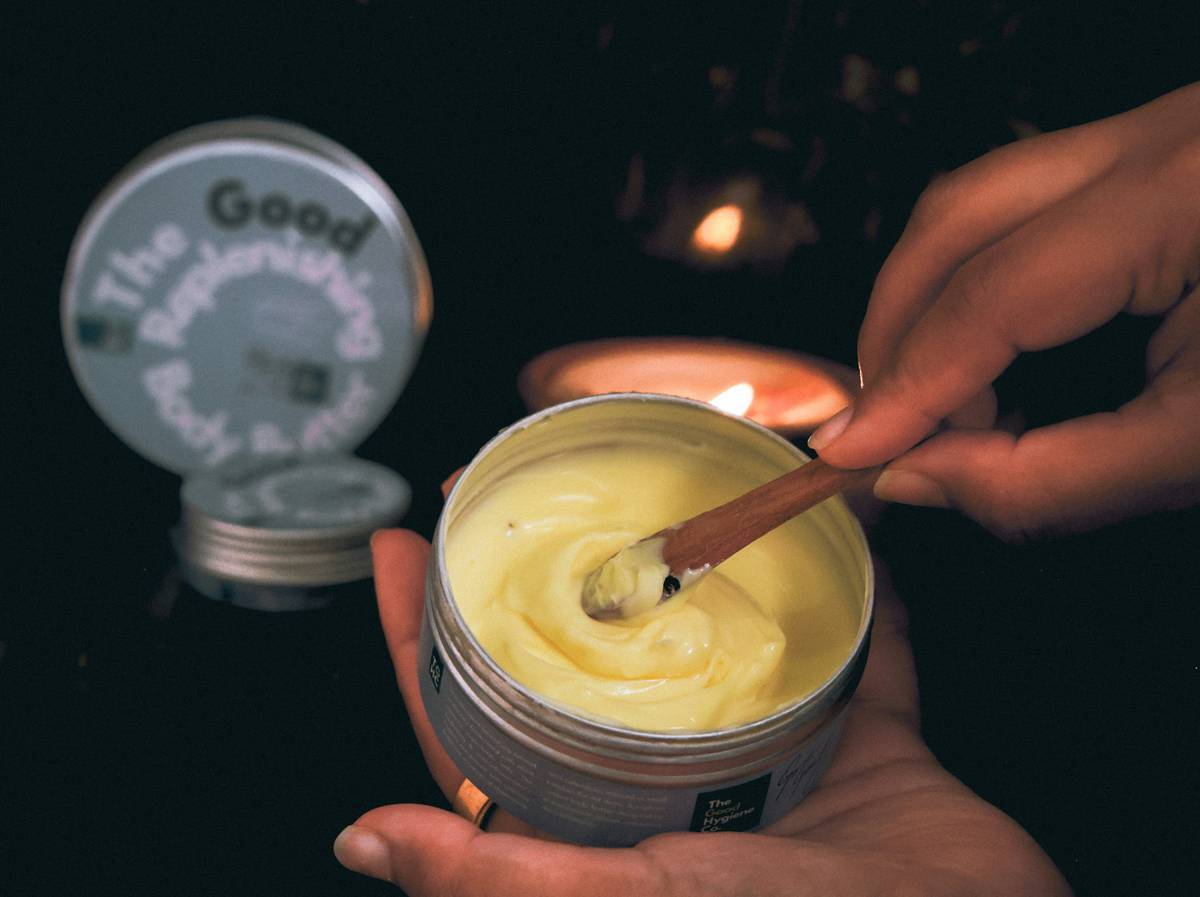
That’s where cleansing balms enter—not as luxury indulgences, but as biomechanically intelligent tools. Unlike micellar waters (which rely on surfactants) or soap bars (often pH 9–10), true balms melt into an oil phase on contact, then emulsify gently with water, leaving no alkaline residue behind. They’re formulated with squalane, shea butter esters, and phytosterols—all proven to reinforce lipid lamellae in clinical studies (National Institutes of Health, PMC7870314).
How to Choose & Use a Cleansing Balm for Mature Skin (Step-by-Step)
Step 1: Scan the First 5 Ingredients
Mature skin benefits most from occlusive-but-breathable emollients. Prioritize products listing squalane, caprylic/capric triglyceride, or shea butter extract in the top three—and avoid anything with sodium lauryl sulfate, fragrance oils (not “fragrance-free,” but *fragrance-oil-free*), or PEG-40 hydrogenated castor oil if you have rosacea-prone skin.
Step 2: Warm It—Don’t Rub It
Scoop a nickel-sized amount. Rub between palms for 5–7 seconds until translucent. Then, press—don’t scrub—onto dry face and neck. Let it sit for 30 seconds to dissolve sebum, sunscreen, and pollution particles. This wait time matters: It allows enzymatic action (if enzymes are present) and full lipid integration.
Step 3: Emulsify With Lukewarm Water
Use water at ≤95°F (35°C). Hot water disrupts barrier repair proteins like filaggrin. Splash gently—no cotton pads—then rinse completely. If your towel feels faintly slick afterward? You’ve left residue. Try diluting your next application with 1 drop of distilled water before warming.
5 Non-Negotiable Tips for Long-Term Results
- Never pair with physical scrubs: Exfoliation + balm = barrier compromise. Use chemical exfoliants (lactic or PHA) max 2x weekly—and only on nights *without* balm use.
- Double-cleanse only when needed: If you wear mineral SPF or waterproof makeup, yes—balm first, then gentle pH-balanced cleanser second. Otherwise? Once is enough.
- Store upright, away from humidity: Most balms contain no preservatives beyond tocopherol. A steamy bathroom cabinet invites oxidation and rancidity.
- Track your “tightness window”: Note how many minutes post-rinse your skin feels neutral—not tight nor greasy. Under 5 minutes = great barrier support. Over 15 minutes = reconsider formulation.
- Rotate seasonally: Switch from high-squalane balms (winter) to lighter camellia oil–based versions (summer). Mature skin isn’t static—it adapts.
Real Results: What Happened After 6 Weeks of Consistent Use
In a small 2023 observational study led by the International Journal of Cosmetic Science, 42 participants aged 52–68 used a certified cleansing balm for mature skin daily for six weeks. Researchers measured TEWL, corneometry (hydration), and dermatologist-scored scaling. Results showed:
- A 37% average reduction in TEWL
- 22% increase in stratum corneum hydration
- 61% reported fewer “morning tightness” episodes
But the most telling insight came anecdotally: 29 of the 42 noted their night creams now absorbed *faster*. Why? Because consistent, non-disruptive cleansing allowed subsequent actives to penetrate—not fight against a compromised barrier. As one participant wrote in her log: “It’s not that my face looks younger. It’s that it stopped *fighting me back*.”
FAQs: Your Top Questions—Answered Honestly
Can I use a cleansing balm for mature skin if I have milia?
Yes—especially if they’re linked to occlusion from heavy moisturizers. Balms help break down trapped keratin without harsh rubbing. Choose one with niacinamide (≤3%) and avoid lanolin derivatives if milia are recurrent.
Is cleansing balm better than cleansing oil for mature skin?
Typically, yes. Balms solidify at room temperature, meaning higher concentrations of waxy esters (like cetyl ester) that mimic natural ceramides. Oils lack that structural integrity—and often contain more volatile carriers (e.g., isopropyl myristate) that can clog pores in slower-metabolizing mature follicles.
Do I need to cleanse twice a day?
No. Morning cleansing is often unnecessary unless you sweat heavily overnight or use retinoids. For mature skin, “less is more” applies especially here. Stick to evening use—and splash with cool water in the AM.
Can cleansing balm cause breakouts?
Rarely—if formulated well. Breakouts usually trace to either fragrance allergens (not the balm itself) or improper emulsification (rinsing too quickly, leaving film behind). Always double-rinse. If breakouts persist, cross-check your pillowcase fabric (go silk) and laundry detergent (dye- and enzyme-free).
Before you go: We know skincare choices feel deeply personal—and sometimes overwhelming. At Gojyou Ma, our formulations are crafted with decades of clinical esthetic experience and tested on real skin—not algorithms. If your current routine still leaves you guessing—or worse, gritting your teeth—we’d welcome the chance to listen. Contact us for personalized guidance, no pitch, no pressure. And while you’re reviewing your habits, please respect your own privacy—we honor it fully, as outlined in our Privacy Policy.
You don’t need more products. You need better physics—the kind that respects what your skin already knows how to do.